
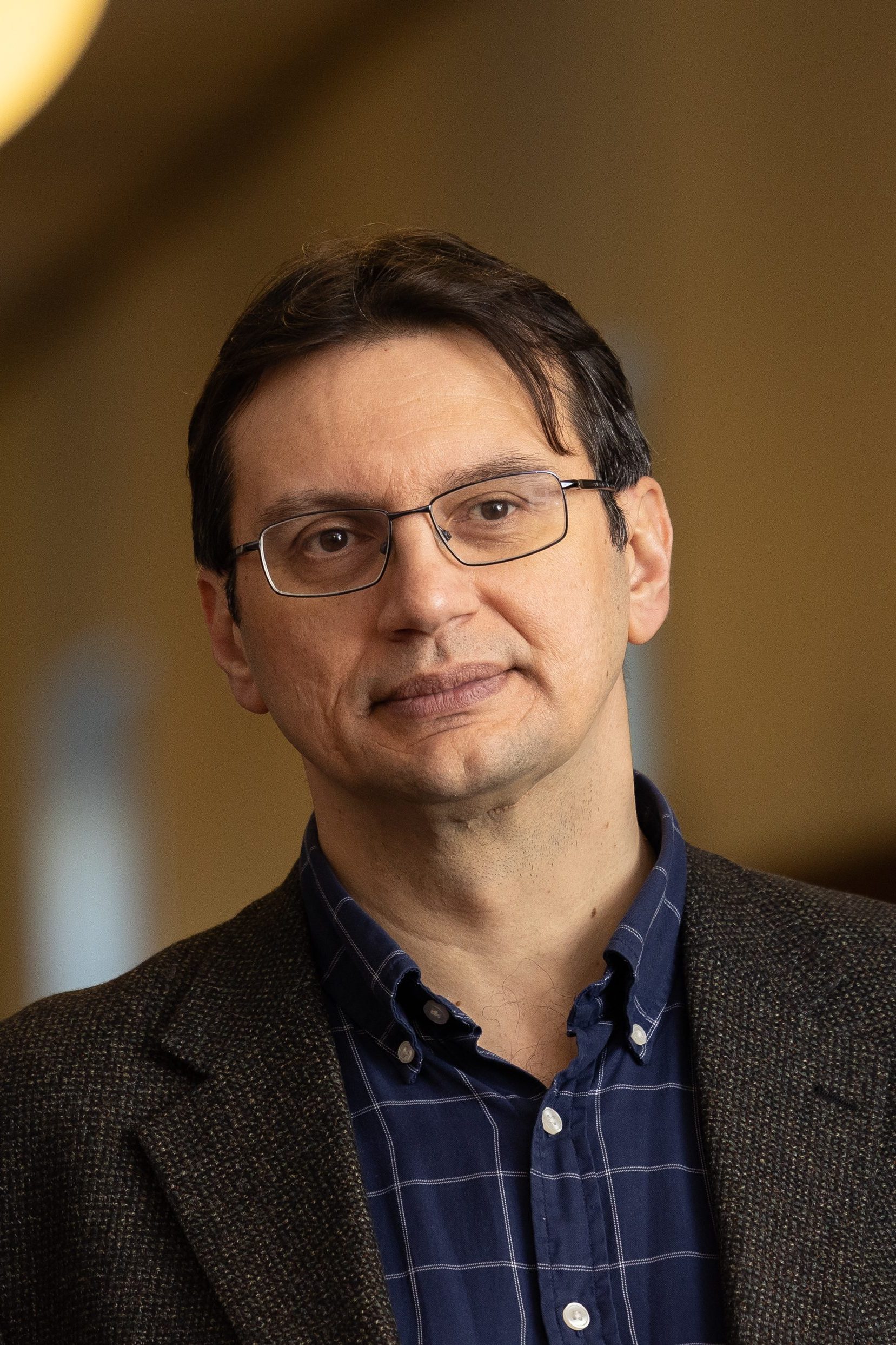
Sorin Bangu
University of Bergen
Sorin Bangu is Professor in the Philosophy Department, University of Bergen, Norway. He received his PhD from University of Toronto. His main interests, and publications (including two books), are in philosophy of science (especially philosophy of physics and mathematics) and history of analytic philosophy (on Wittgenstein and Quine).
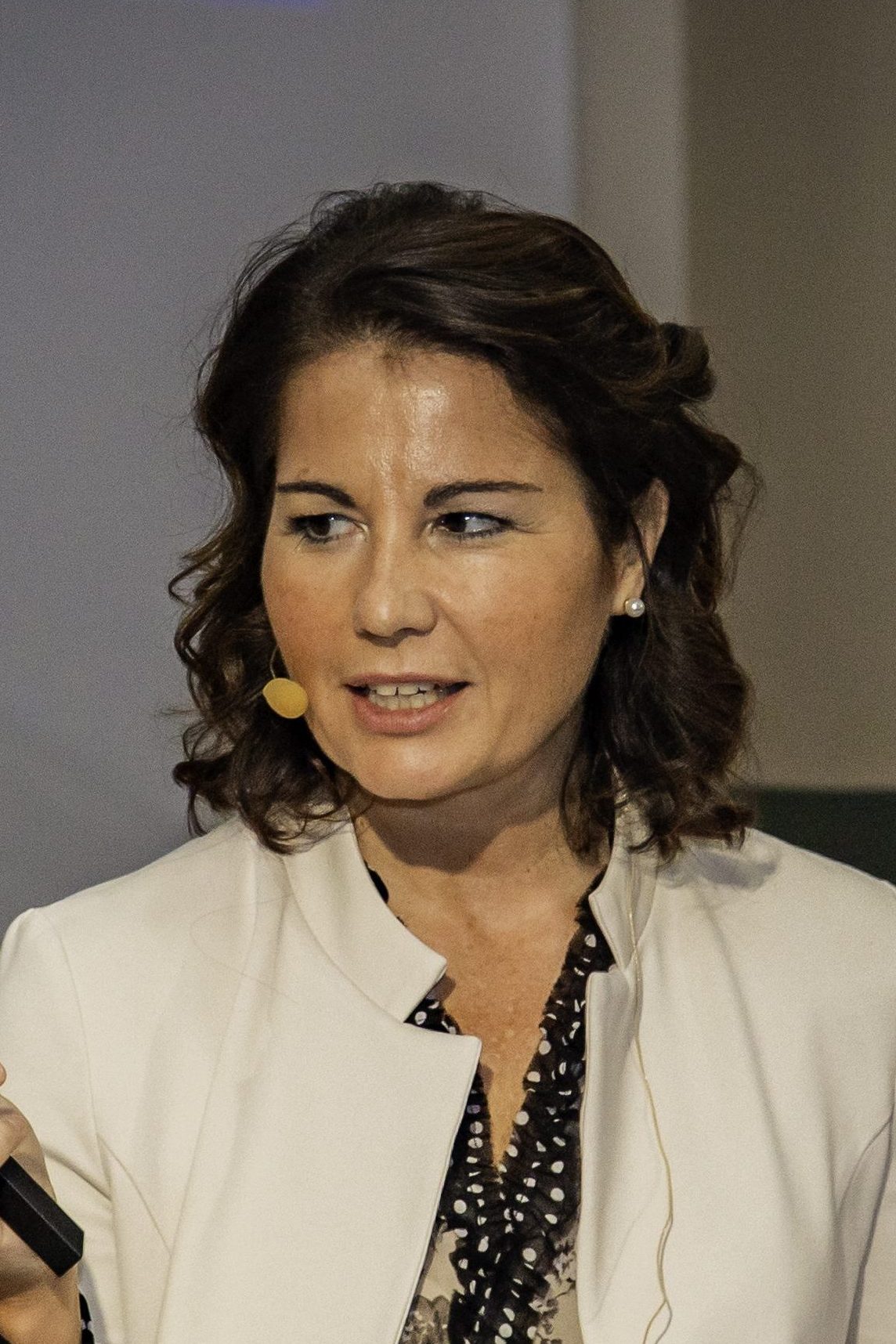
Marta Bertolaso
University Campus Bio-Medico of Rome
Marta Bertolaso is Full Professor of Logic and Philosophy of Science and Head of the Research Unit of Philosophy of Science and Human Development at the University Campus Bio-Medico of Rome. Her expertise in philosophy of science, scientific practice and in philosophy of the life sciences has allowed her to promote and collaborate in interdisciplinary research and educational projects on complex organized and adaptive systems and human-environment interactions also mediated by the digital technologies. Among other commitments, she is ordinary member of the Académie Internationale de Philosophie des Sciences (https://www.aips.be/en), member of the Consulta Italiana di Filosofia (https://www.consultanazionalefilosofia.it/chi-siamo/), member of the national coordination group Bioeconomy within the CNBBSV: https://cnbbsv.palazzochigi.it/it/materie-di-competenza/bioeconomia/, Camartis President (www.camartis.net), Editor in Chief of Springer Series Human Perspectives in Health Sciences and Technology and of Rubettino Series Fattore Umano e Complessità. She is author of more than 130 publications listed inhttps://unicampus.academia.edu/BertolasoMarta/CurriculumVitae.
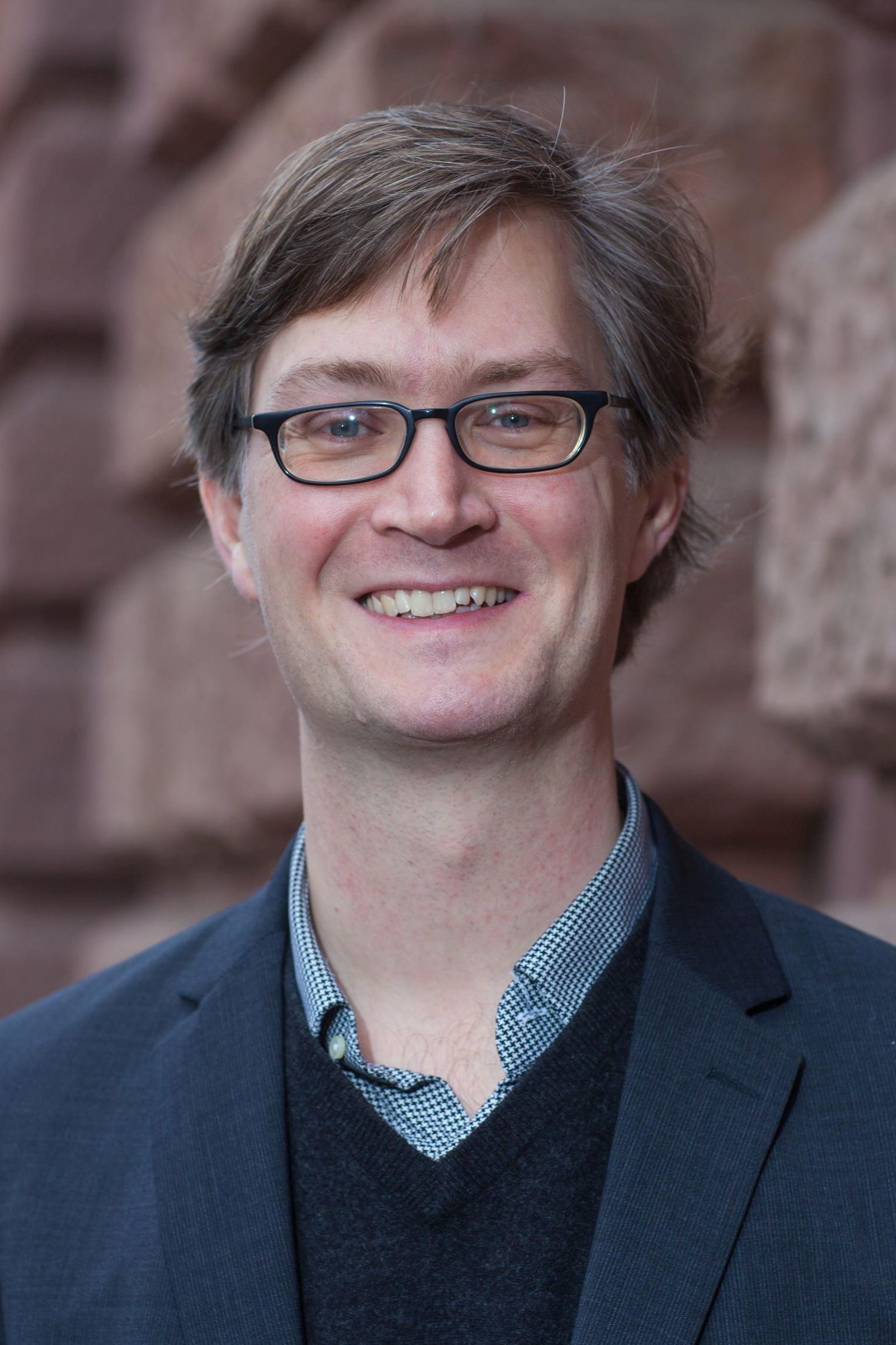
Axel Gelfert
Technische Universität Berlin
Axel Gelfert is Professor of Epistemology and Philosophy of Science at Technische Universität Berlin. He has worked extensively on the philosophy of scientific models, in particular the role of exploratory modeling, on social and political epistemology (esp. fake enws and scientific hoaxes), and on the history of philosophy. He is the author of two monographs, A Critical Introduction to Testimony (2014) and How to Do Science With Models (2016), co-author (with S. John and M. Frisch) of Communicating Scientific Knowledge in Times of Crisis (2025), and has edited a number of special issues and edited volumes. Since 2022 he has been the President of the German Society for Philosophy of Science (GWP).
James Ladyman
University of Bristol
James Ladyman is interested in most areas of philosophy, but his work is primarily in general philosophy of science, philosophy of physics, history and philosophy of chemistry, philosophy of mathematics, philosophy of computation and artificial intelligence, and the relationship between biology and physics. His best-known work is on structural realism (in his 1998 paper he introduced the distinction between epistemic and ontic forms of structural realism, and he has defended the latter), as well as on complex systems. He is also interested in the impact agenda and science policy, and in understanding the epistemological and broader implications of AI and big data technologies for science and society.

Lorenzo Magnani
University of Pavia
Lorenzo Magnani is a philosopher, epistemologist, and cognitive scientist at the University of Pavia, Italy. He is a professor of Philosophy of science and Artificial Intelligence and knowledge, and has been a visiting researcher and professor at various universities in the US and China. Member of the International Academy for the Philosophy of the Sciences (AIPS), his recent books, Eco-Cognitive Computationalism and Discoverability, offer new perspectives on computation and human creativity. He has recently edited the Handbook of Abductive Cognition and the Springer Handbook of Model-Based Science, and is the editor-in-chief of the Book Series SAPERE (Studies in Applied Philosophy, Epistemology, and Rational Ethics).
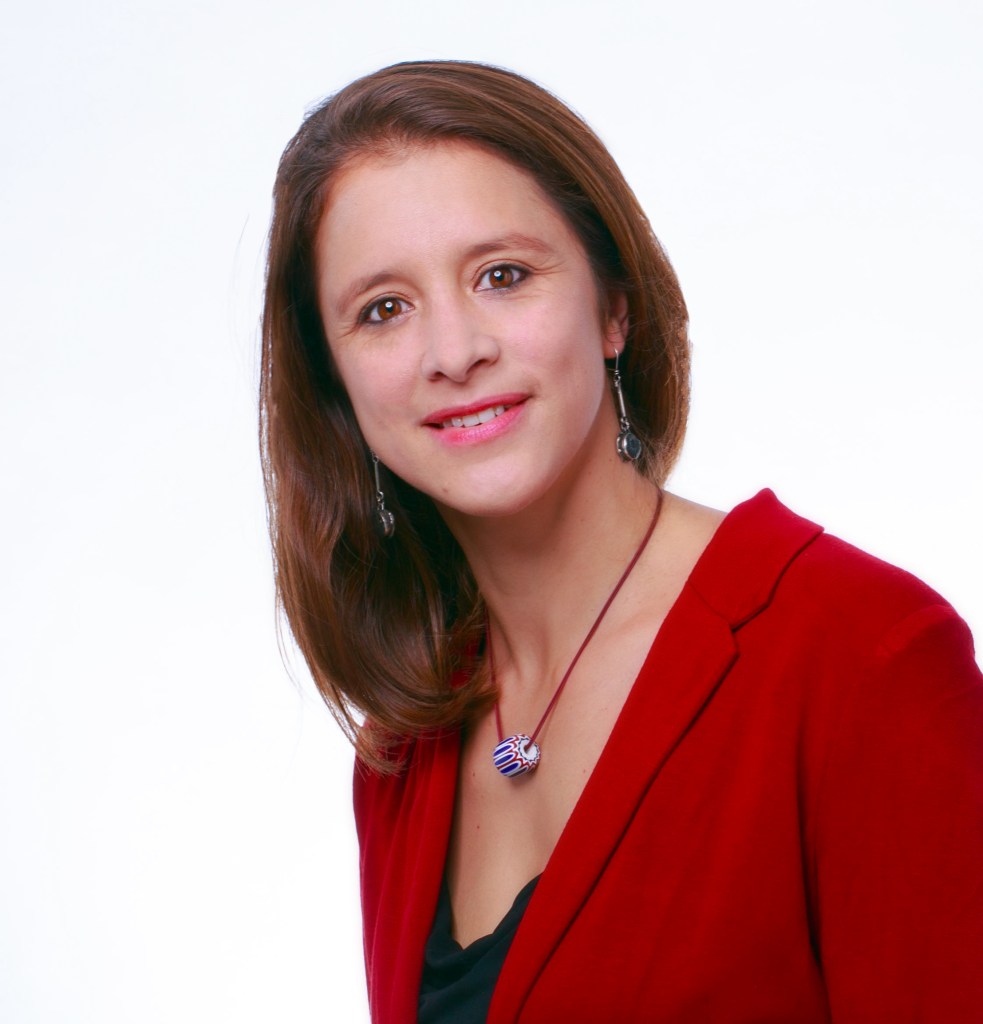
Patricia Palacios
University of Salzburg
Patricia Palacios is an Associate Professor in philosophy of science at the University of Salzburg. Her research focuses on emergence, reduction, the role of idealizations in scientific modeling, and the application of the physics of statistical mechanics to other disciplines, especially economics and biology. In her recently awarded ERC-Grant “MACBeh,” she investigates the use of the physics of phase transitions in modelling collective behavior in economics and social sciences. She is particularly interested in understanding why and to what extent we can use the same formalisms in a variety of disciplines.

Demetris Portides
University of Cyprus
Demetris Portides is Professor of Philosophy at the University of Cyprus and a member of the International Academy of the Philosophy of Science. His research focuses on the analysis of the nature and structure of scientific theories, on the relation between scientific models and scientific theories, on the functions of scientific models, and on the processes of abstraction, idealization and approximation in science. He teaches at the University of Cyprus inter alia courses in Philosophy of Science, Logic, Philosophy of Religion, British Empiricism. He has co-authored the book (in Greek) Formal Logic: The Structure of Argument, (2007) Athens: Nefeli Publications. He has published scientific papers, on the aforementioned topics, in scientific journals and collective volumes.

Viola Schiaffonati
Politecnico di Milano
Viola Schiaffonati is Professor of Logic and Philosophy of Science at the Department of Electronics, Information and Bioengineering of Politecnico di Milano. Her current research focuses on the epistemological, methodological, and ethical aspects of AI, ML, robotics. She is external faculty member of the Diplomatische Akademie in Vienna and has been visiting professor at TU Wien, Università di Pisa and Friedrich-Alexander-Universität Erlangen-Nürnberg. She has been senior Digital Humanism Fellow at IWM in Vienna, Ermete Fellow at the University of Stuttgart, visiting scholar at TU Delft, Stanford University, and University of California Berkeley. She serves as the director of the national laboratory of Informatics and Society of the Italian National Consortium of Informatics, as co-chair of the steering board of the forum of Philosophy and Engineering, as Associate Editor of the journal Science and Engineering Ethics, and as a member of the steering committee of the Italian Association for Logic and Philosophy of Science.
 MBR026_ROME